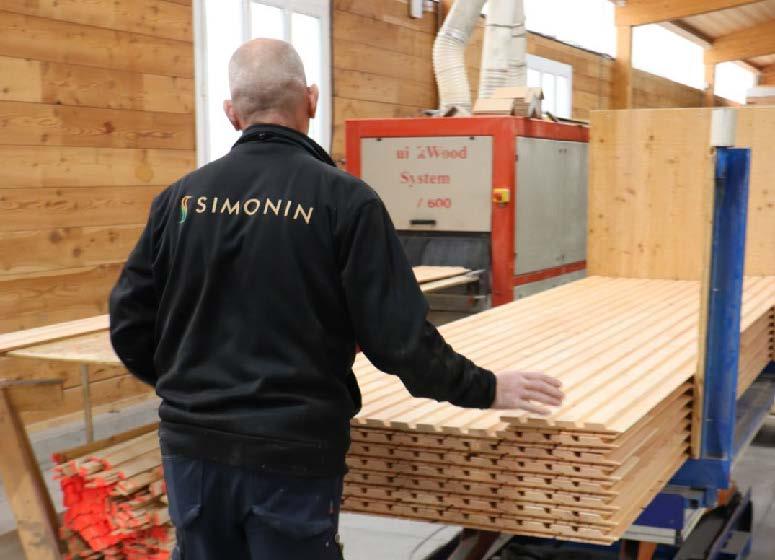
Artificial intelligence, which emerged several decades ago, has experienced explosive growth, particularly with the development of applications accessible to the general public. Today, it is becoming an essential tool in many sectors, including the timber industry.
It opens up unprecedented possibilities: increased efficiency, optimized precision, continuous innovation, and improved work processes. For wood professionals, AI represents a major opportunity for transformation, both in construction and in the valorization of raw materials.
For wood industry professionals, AI represents a major opportunity for transformation, both in construction and in the valorization of raw materials. Although its adoption remains limited in this sector, SIMONIN WOOD SOLUTIONS has chosen to embark on this path, exploring the strengths and limitations of this technology to rethink its operations. This transition to machine learning marks a turning point: it redefines production models by placing quality and excellence at the heart of the challenges.
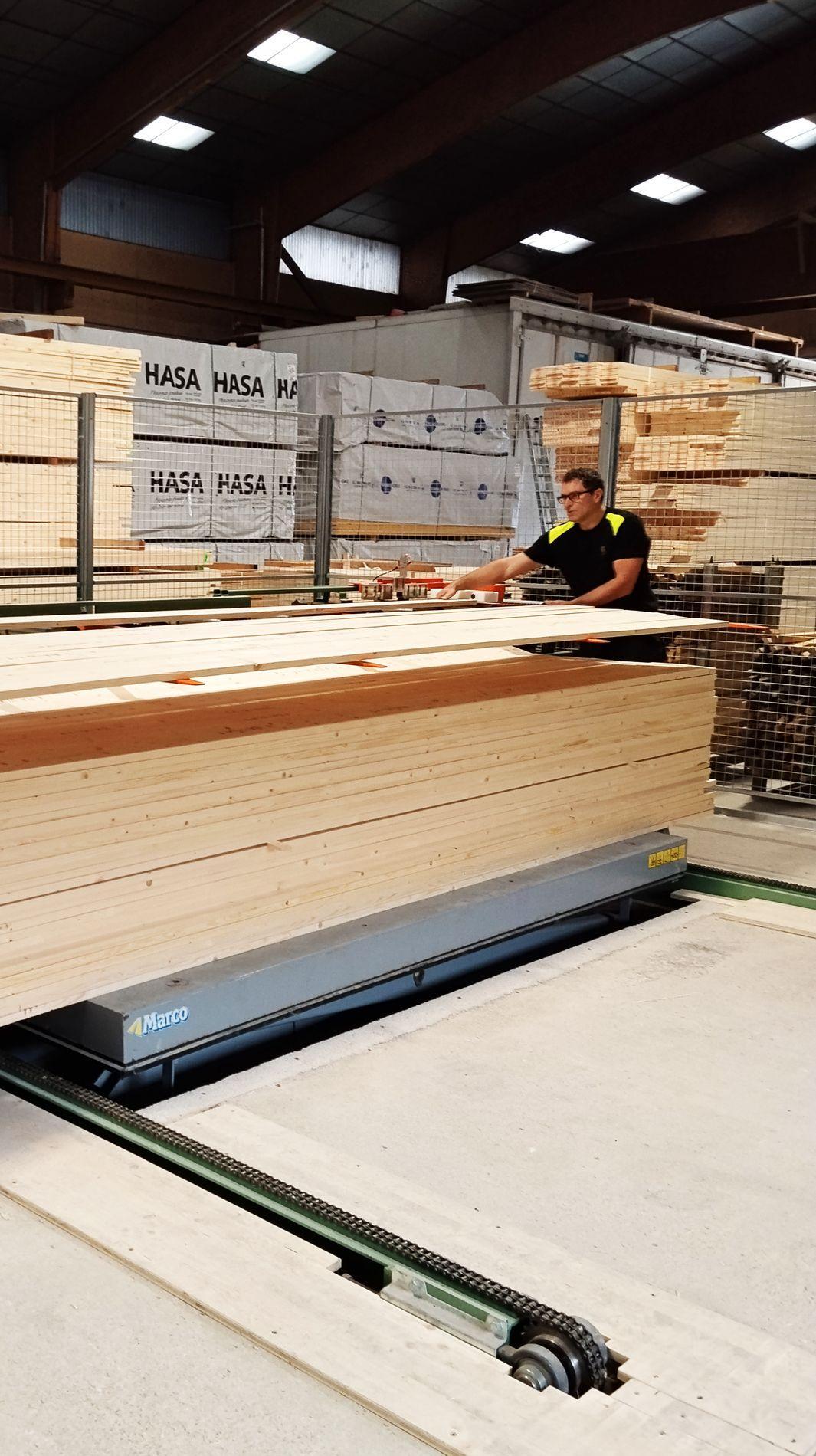
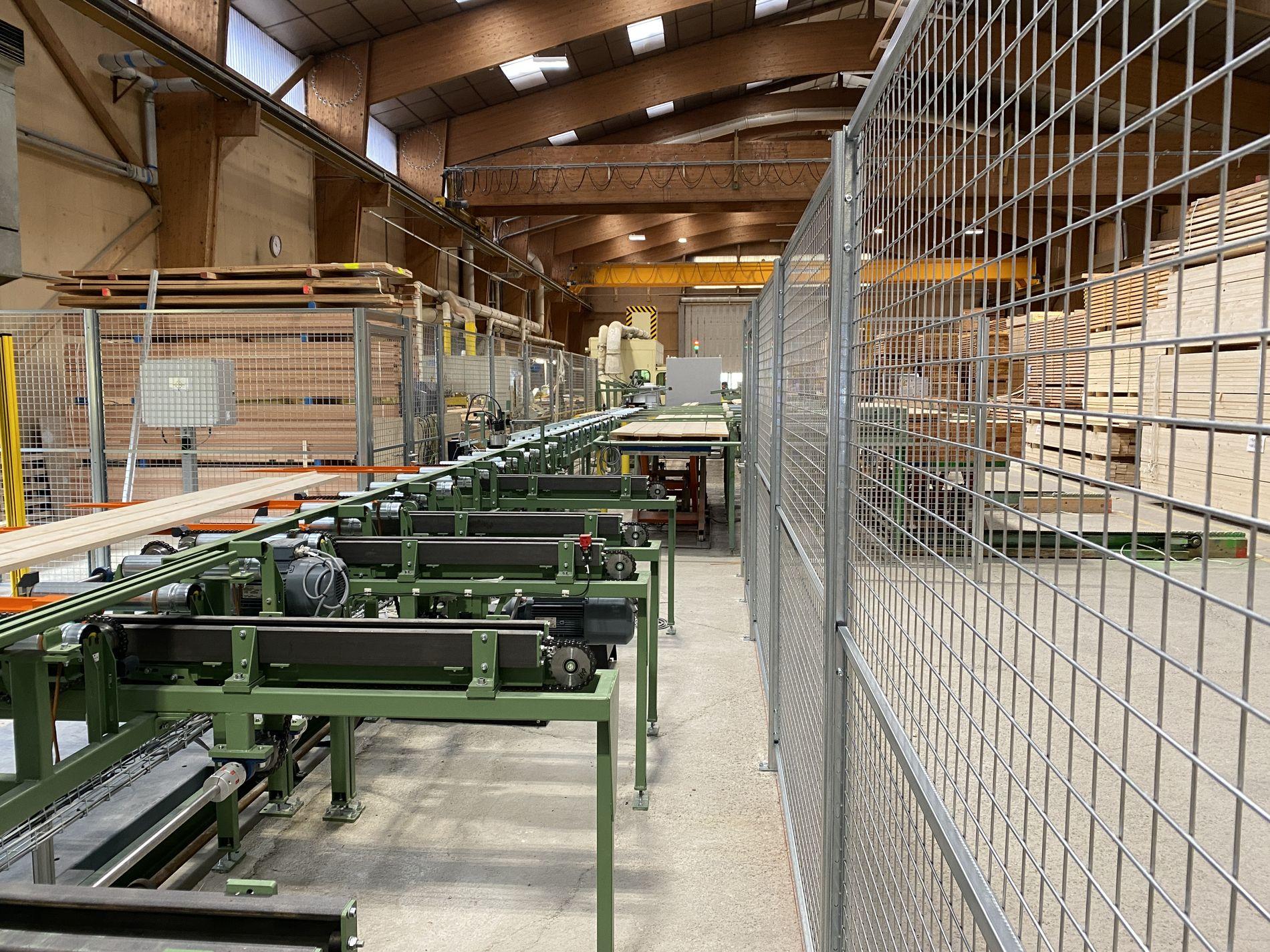
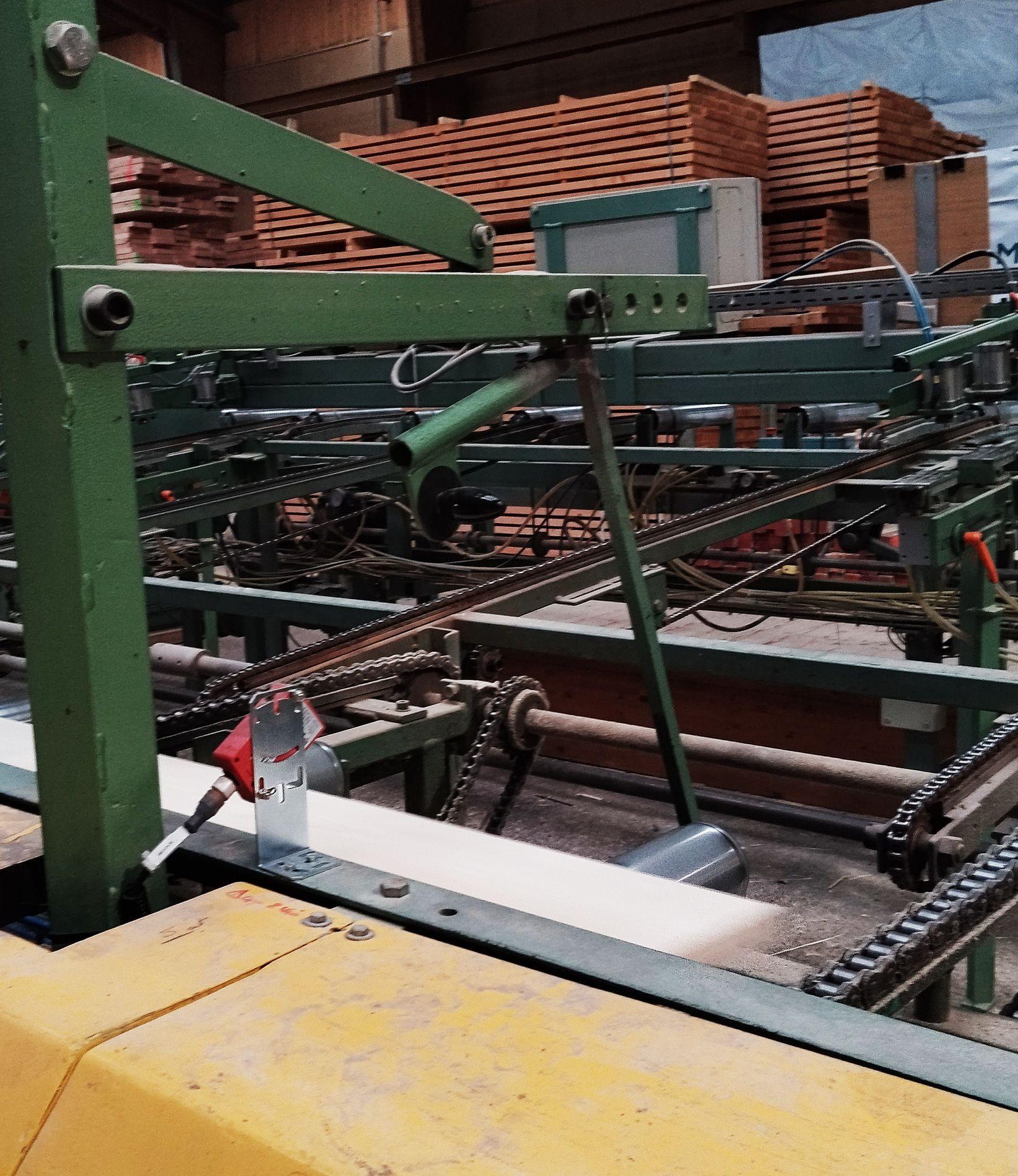
RECOBOIS: an in-house developed solution to revolutionize wood sorting
In 2024, SIMONIN Wood Solutions invested several thousand euros in the development of an automated solution called RECOBOIS. This tool, designed in-house, addresses a key challenge in wood processing: the sorting of raw materials.
A major human and logistical challenge
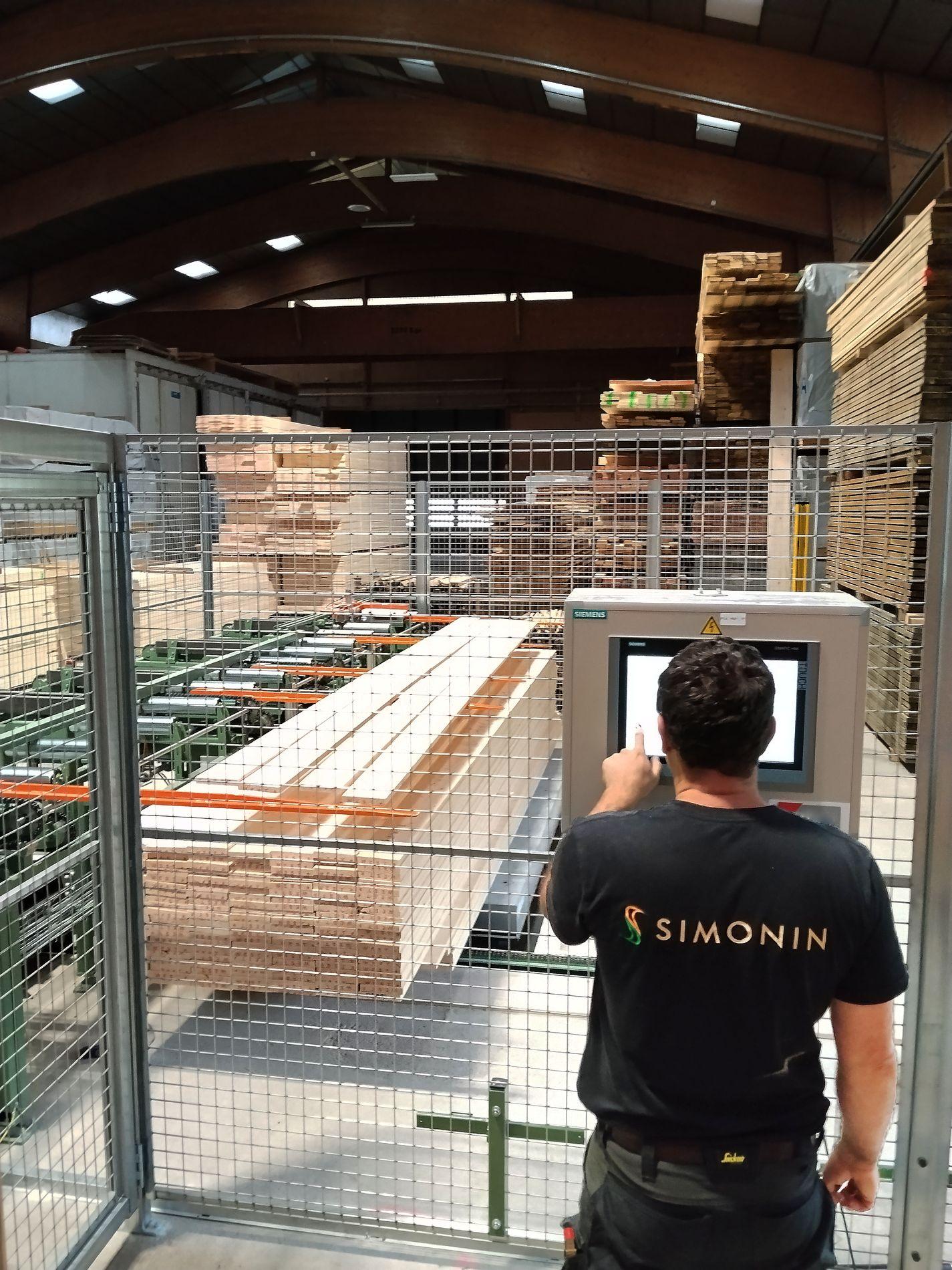
Currently, an operator must inspect a board every 6 seconds, identifying up to 120 defects per piece. This is a significant human and logistical challenge.
To address this, the company combined image recognition and artificial intelligence, with three main objectives:
– Improve product quality,
– Reduce rework and material waste,
– Optimize traceability and sustainability.
Learning based on more than 5,000 photos
Thanks to training based on over 5,000 photos, RECOBOIS identifies and classifies natural wood irregularities (knots, splits, resin pockets, etc.) according to demanding quality criteria. A dedicated sorting line has been set up in our workshops to process spruce, before extending the system to other species.
Key features
Complete analysis
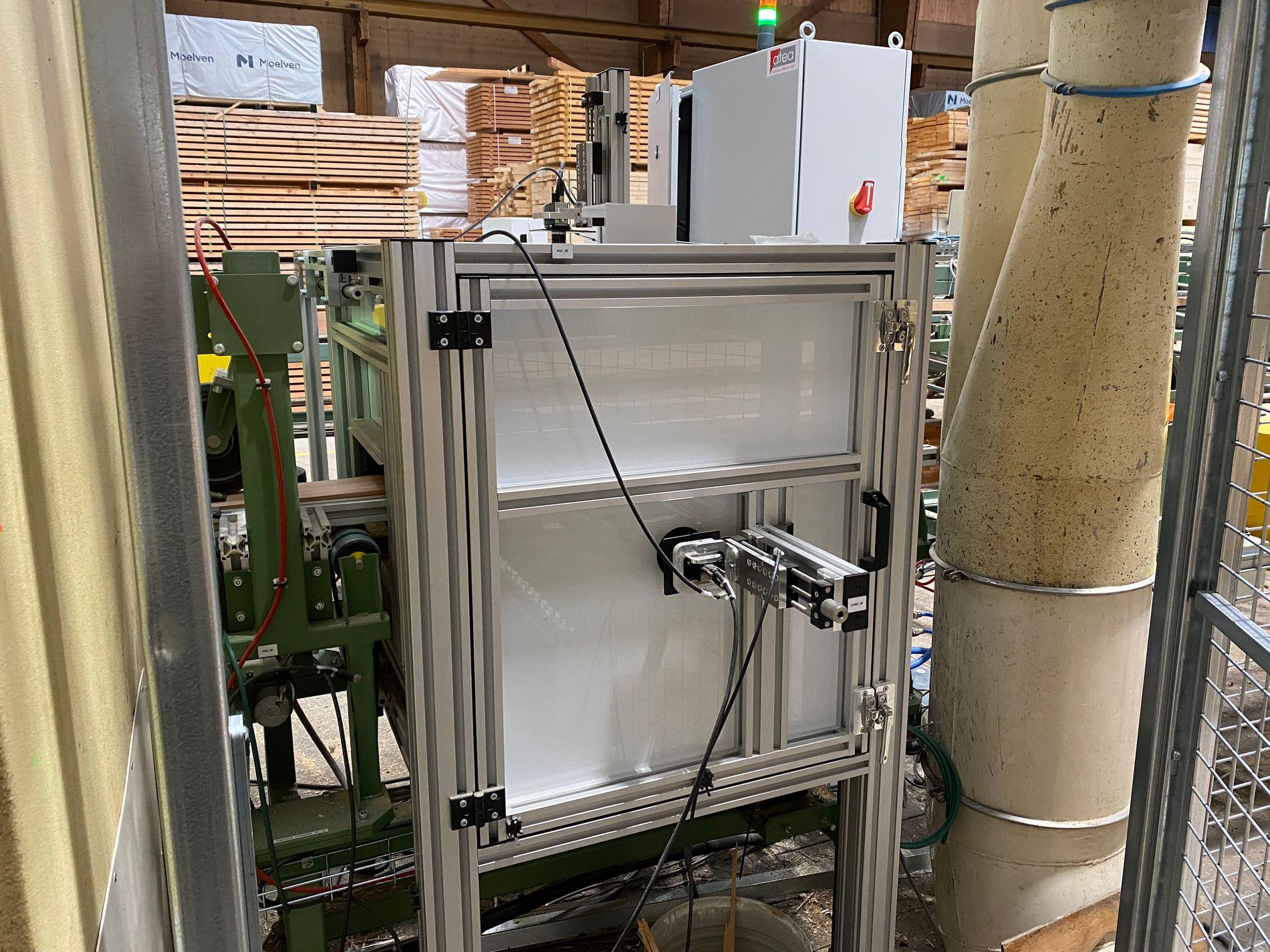
High-resolution cameras, equipped with powerful lighting, capture each face of the boards. AI detects anomalies, marks the boards, and records the quality of the faces.
16 classes of defects
Knots, cracks, resin pockets, damage, etc., are systematically identified.
Traceability and sustainability
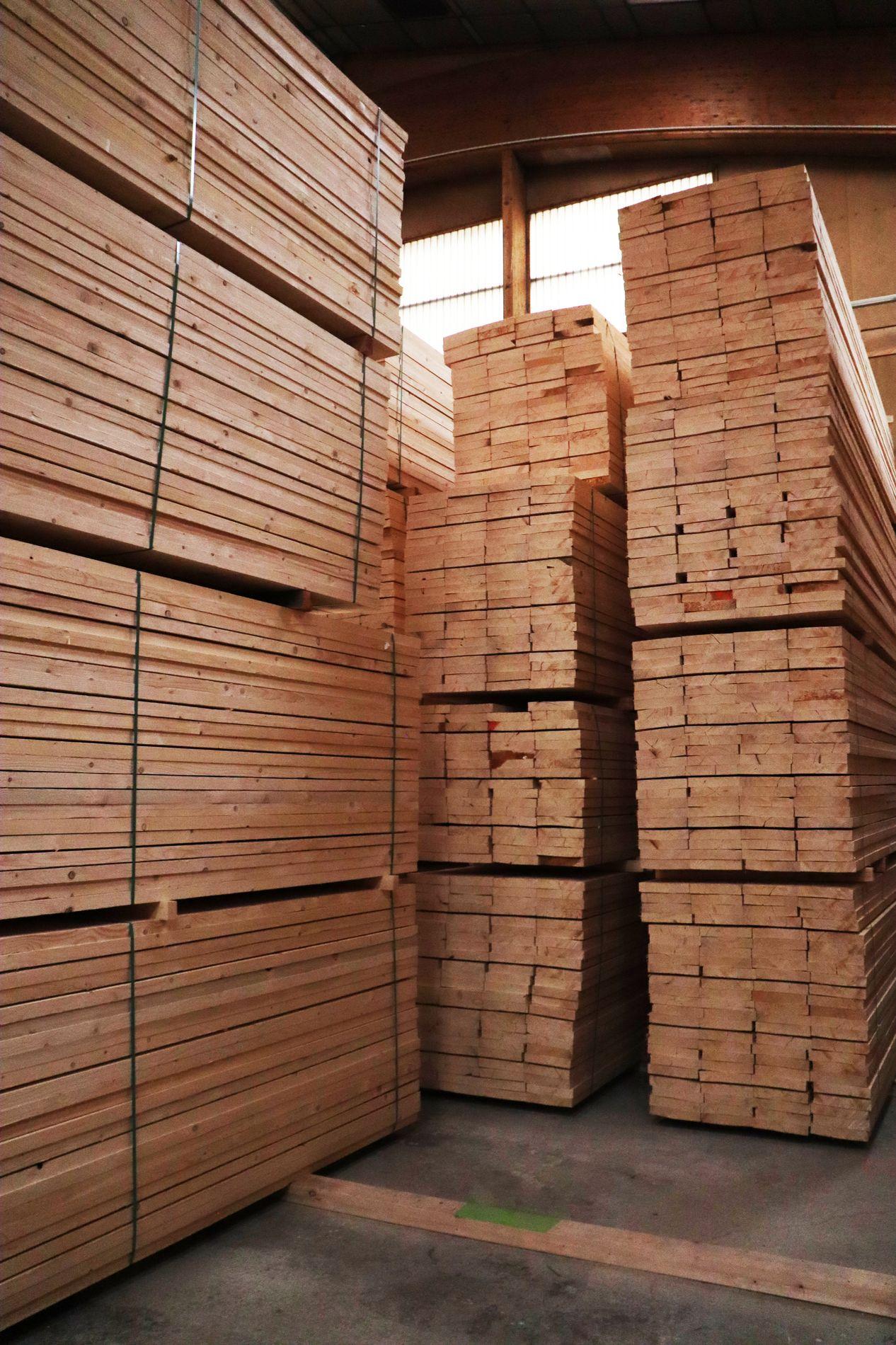
Each board is marked for rigorous tracking, from raw material to finished product. Thanks to precise cutting, waste is minimized, with an ambitious goal: zero loss.
Technology at the service of humanity, not in its place
Although the system will continue to evolve, it already enables uninterrupted monitoring and constant quality optimization. An innovation designed by and for the company, it offers a competitive advantage in meeting customer requirements.
The use of these technological tools must, however, remain reasoned and targeted. Mastering them is essential to limiting their environmental impact, particularly by optimizing their energy consumption. Despite their advantages, challenges persist, both mechanically and logistically.
The alliance between traditional craftsmanship and cutting-edge technology creates unprecedented opportunities for the wood industry, which is facing a skills shortage and an aging workforce. Maintaining a balance between technological advancements and the human element is crucial: the efficiency and stability of the former complement the know-how and expertise of the latter. Our trades must evolve to ensure their long-term viability.
A promising step forward, and already some prospects for tomorrow.
Thanks to AI, the skills of the teams are strengthened: the tool makes it possible to detect, analyze and sort each type of wood with unparalleled precision, guaranteeing optimal quality for all uses, from glued laminated timber to cladding, including custom-made products.
The integration of artificial intelligence at SIMONIN WOOD SOLUTIONS represents a major step forward, combining efficiency, precision, and innovation. This hybrid solution, where humans and machines collaborate, improves both productivity and the quality of finished products. A promising development that is revolutionizing the way we work with and add value to wood.
To go further, the company is already planning to connect its internal testing laboratory to the AI software, in order to enrich the data on the structural quality of the wood.